The Place des Vosges is the heart of the Marais, and nearly everything worth seeing in the district is within ten minutes’ walk: free museums in Renaissance mansions, the Jewish quarter, hidden courtyards and the oldest covered market in Paris. A little further, the Bastille, the Île Saint-Louis and Notre-Dame make perfect half-day extensions. Each place below has its own guide covering what to do, how to get there and which tours include it.
Things to See Around the Place des Vosges
Twelve places within walking distance of the royal square.
The Place des Vosges
 The Place des Vosges
Place des Vosges
The royal square of 1612
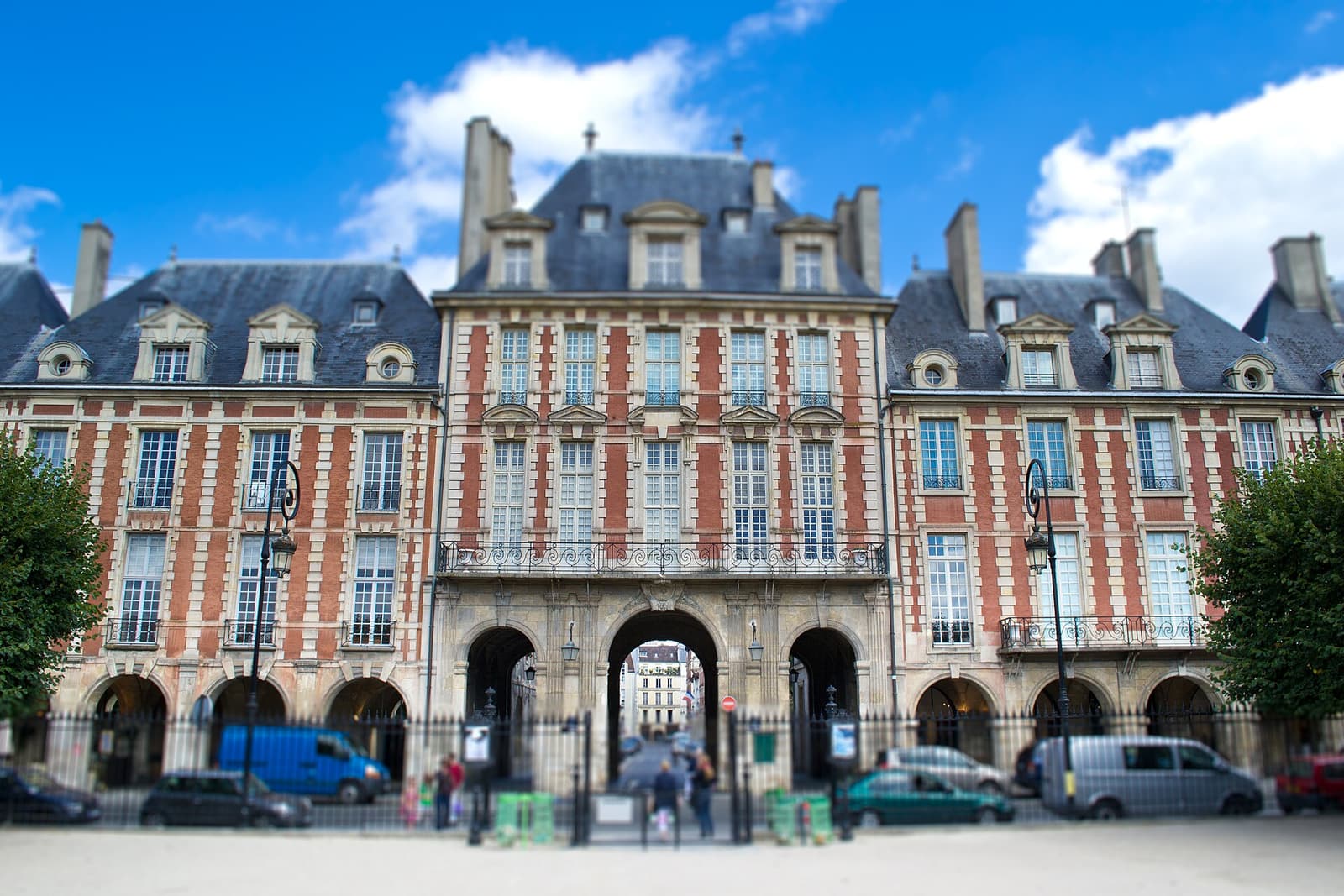
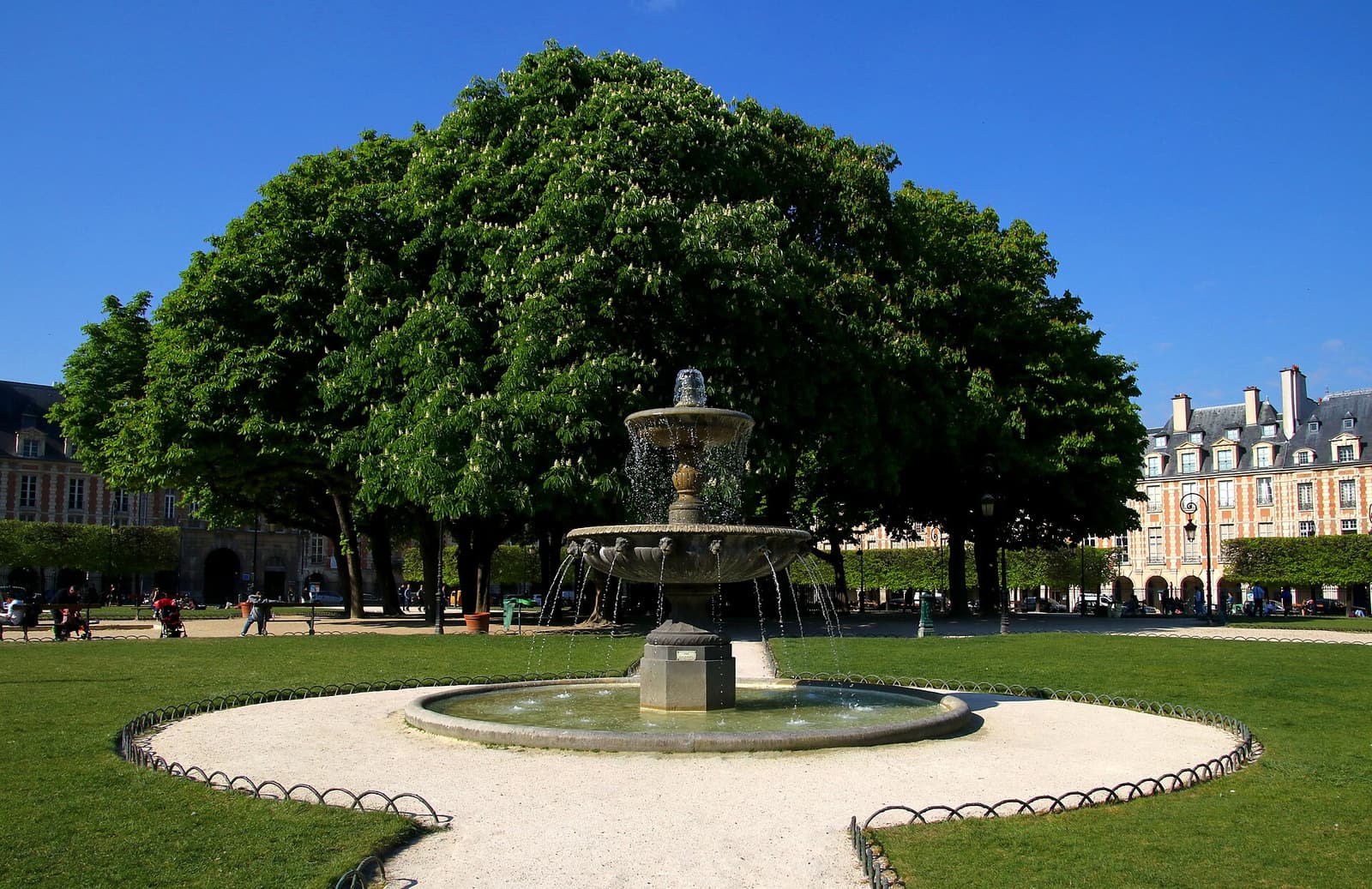
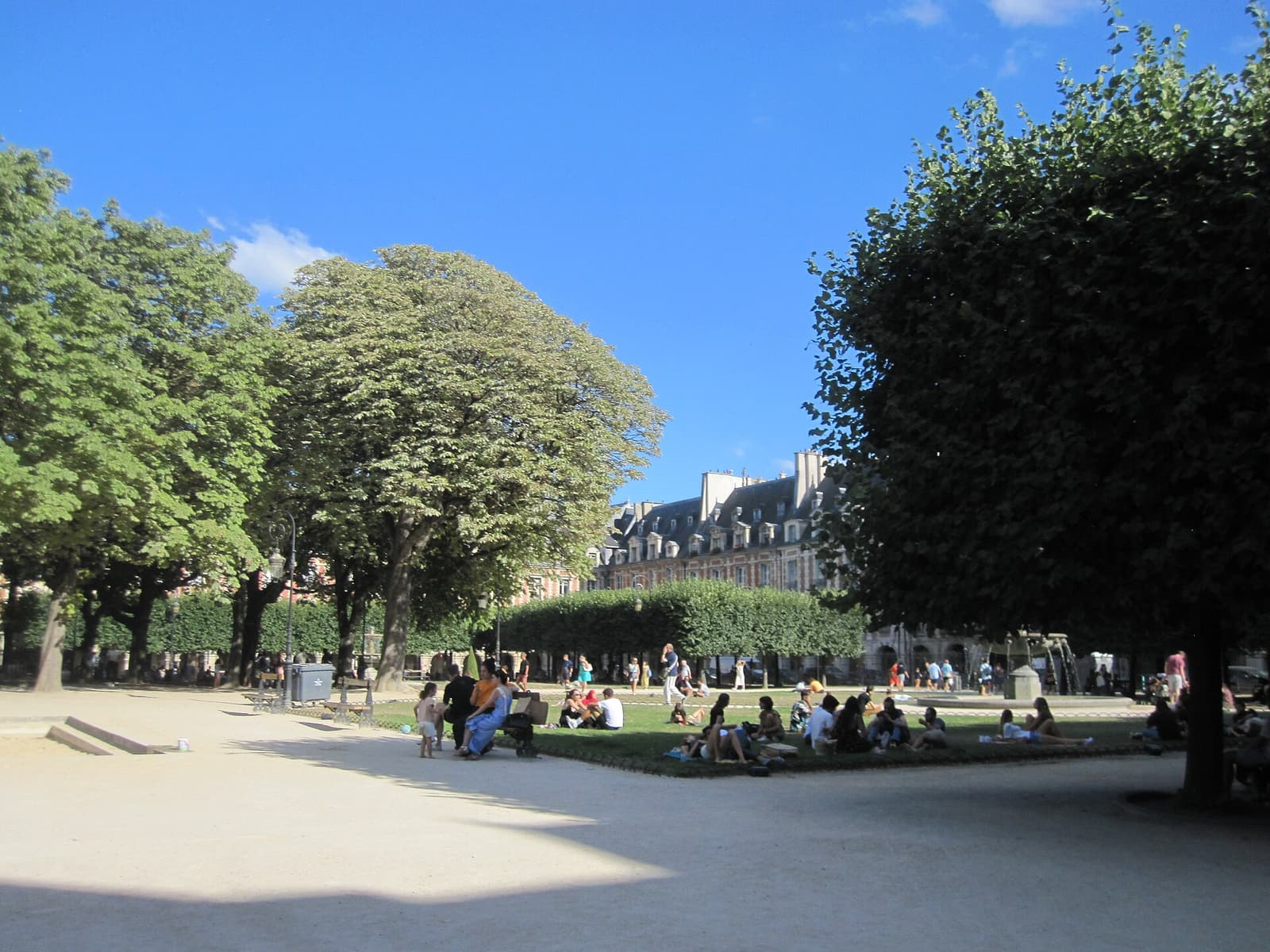
Paris’s oldest planned square: thirty-six red-brick and stone houses built to one design around a garden of lime trees and fountains, with vaulted arcades running all the way round. Laid out under Henri IV and inaugurated in 1612 as the Place Royale, it is still one of the most beautiful public spaces in Europe — and it is free.
 The Place des Vosges
Maison de Victor Hugo
The writer’s apartment, free to visit
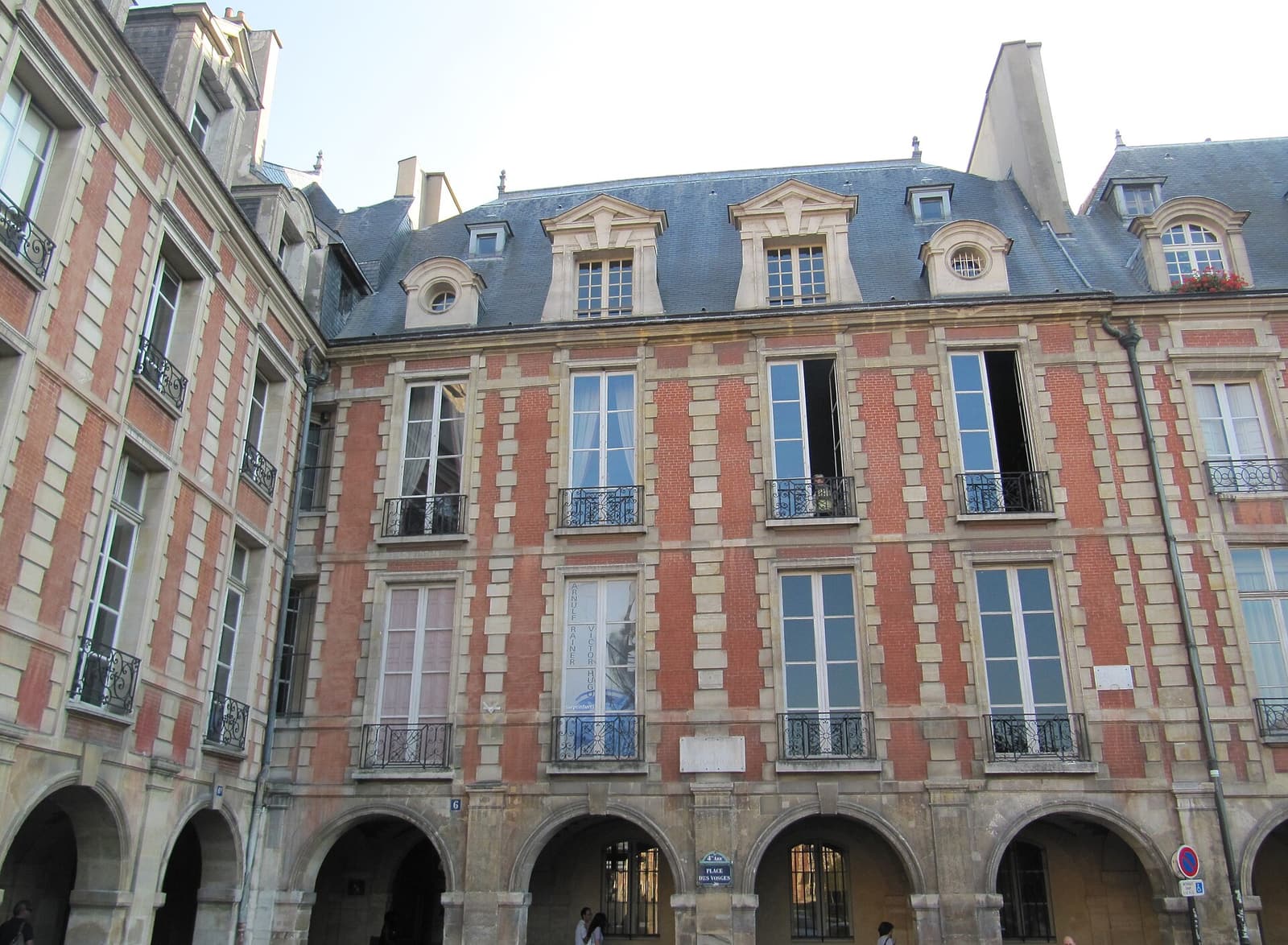
From 1832 to 1848 Victor Hugo rented a second-floor apartment at no. 6 on the square. Today it is a free municipal museum: rooms that follow his life before, during and after exile, including the extraordinary Chinese drawing room he designed himself — plus a courtyard garden café.
 The Place des Vosges
Hôtel de Sully
A secret passage into the square
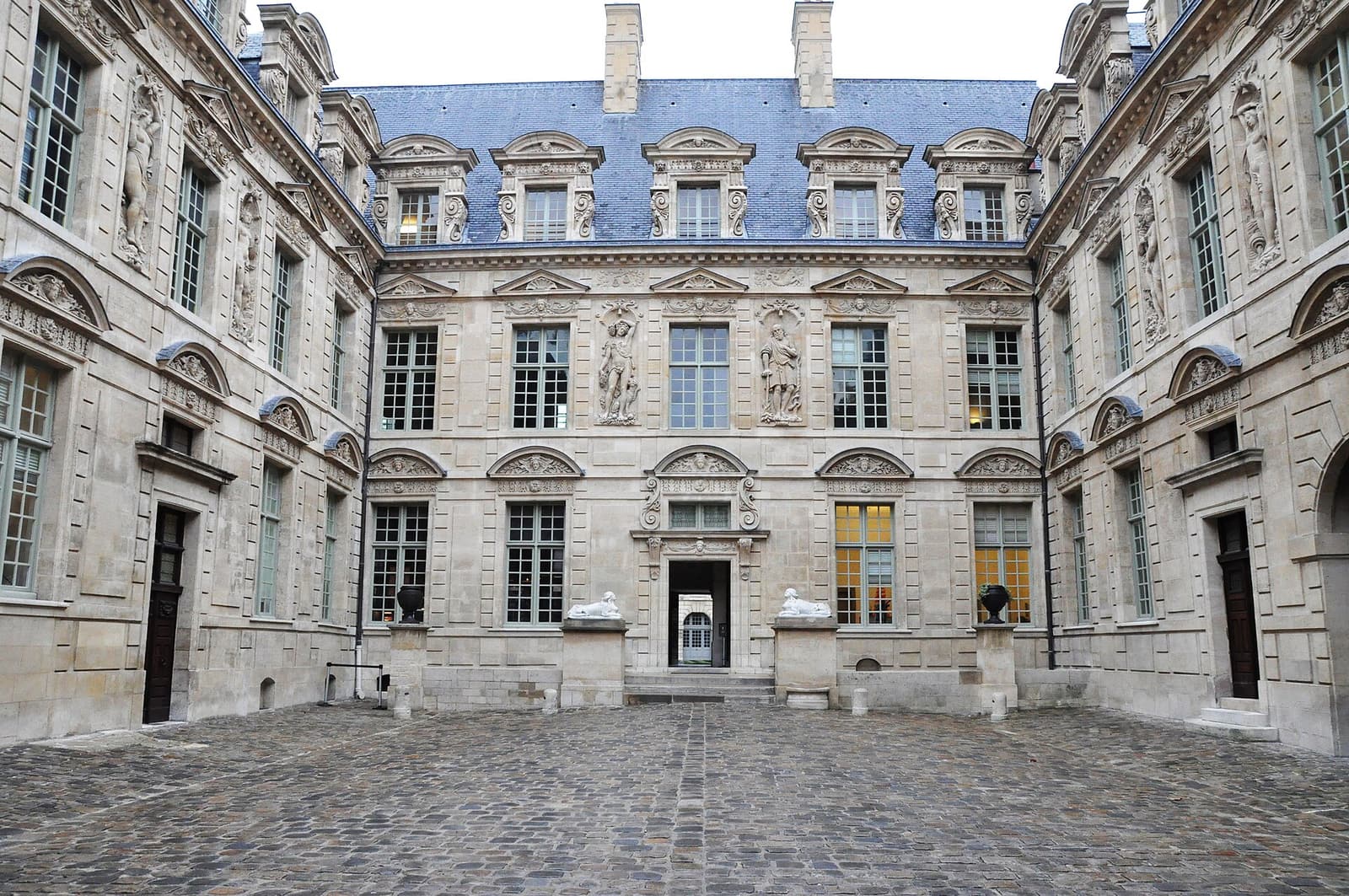
A superb early-17th-century mansion on Rue Saint-Antoine, bought by Henri IV’s former minister the Duke of Sully. Walk through its sculpted courtyard and formal garden and a small door in the orangery lets you out under the arcades of the Place des Vosges — the most elegant shortcut in Paris.
Around the Marais
 Around the Marais
Musée Carnavalet
The free museum of the history of Paris
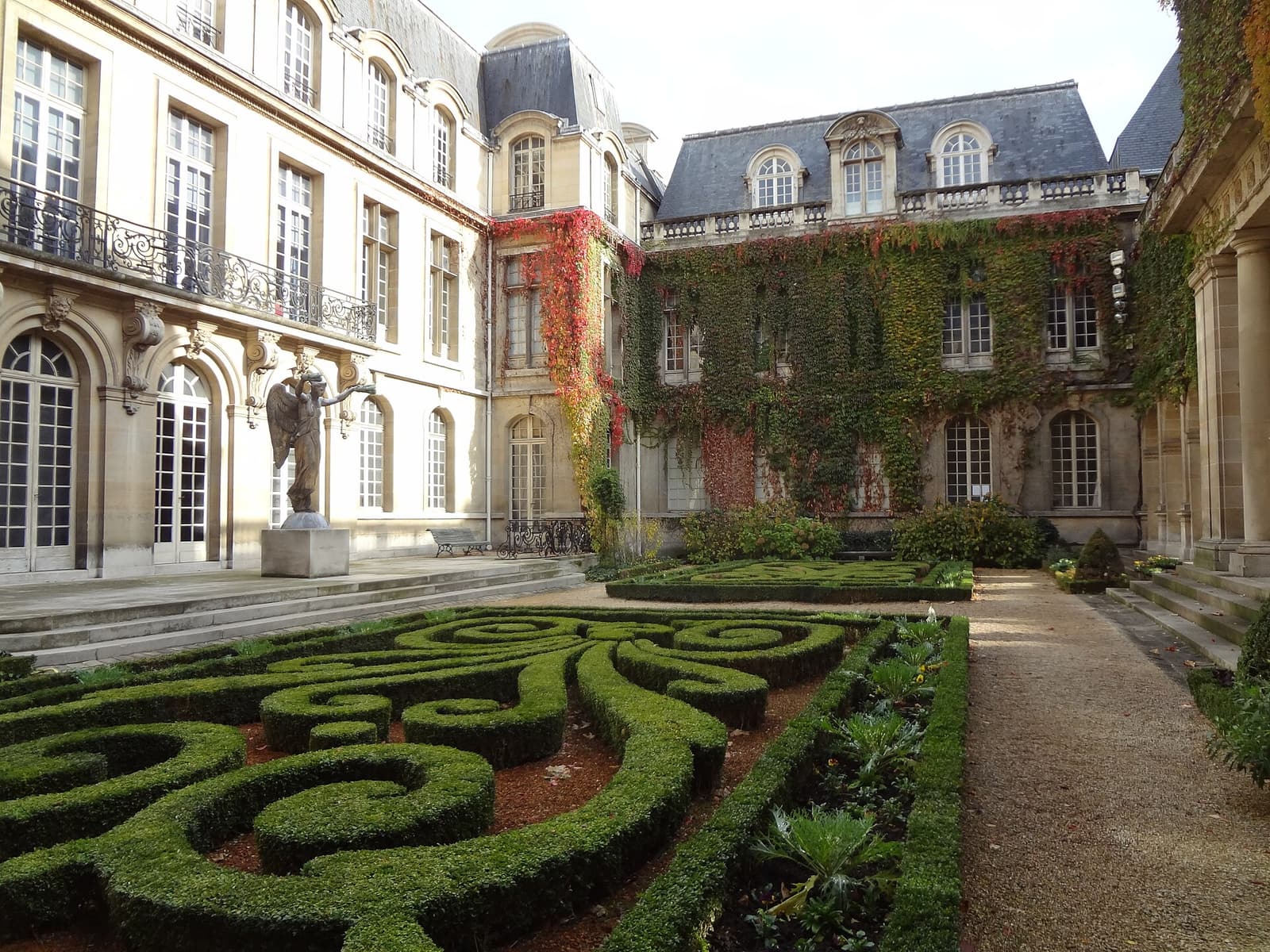
Two 16th- and 17th-century mansions, one of them home to the letter-writer Madame de Sévigné, hold the story of Paris from prehistoric canoes to the Revolution, Belle Époque shop fronts and Proust’s bedroom. Thoroughly renovated and reopened in 2021, its permanent collection is free.
 Around the Marais
Musée Picasso
The world’s great Picasso collection
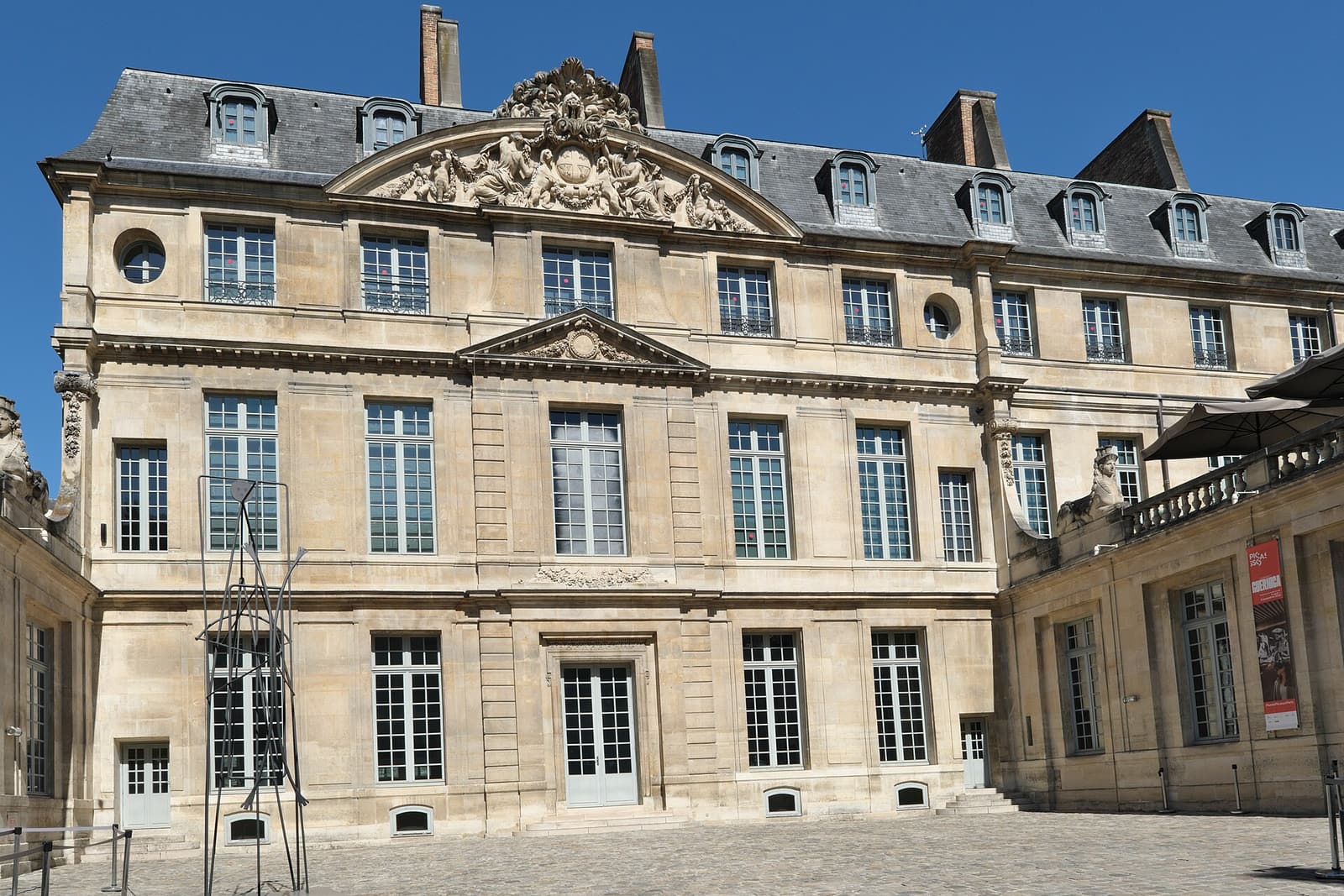
The Musée national Picasso-Paris fills the Hôtel Salé, a grand 1650s mansion built for a collector of the salt tax. Its collection — thousands of paintings, sculptures, drawings and papers that came from the artist’s own estate — traces every period of his career, with changing exhibitions throughout the year.
 Around the Marais
Rue des Rosiers & the Jewish Quarter
Falafel, Yiddish bakeries and centuries of history
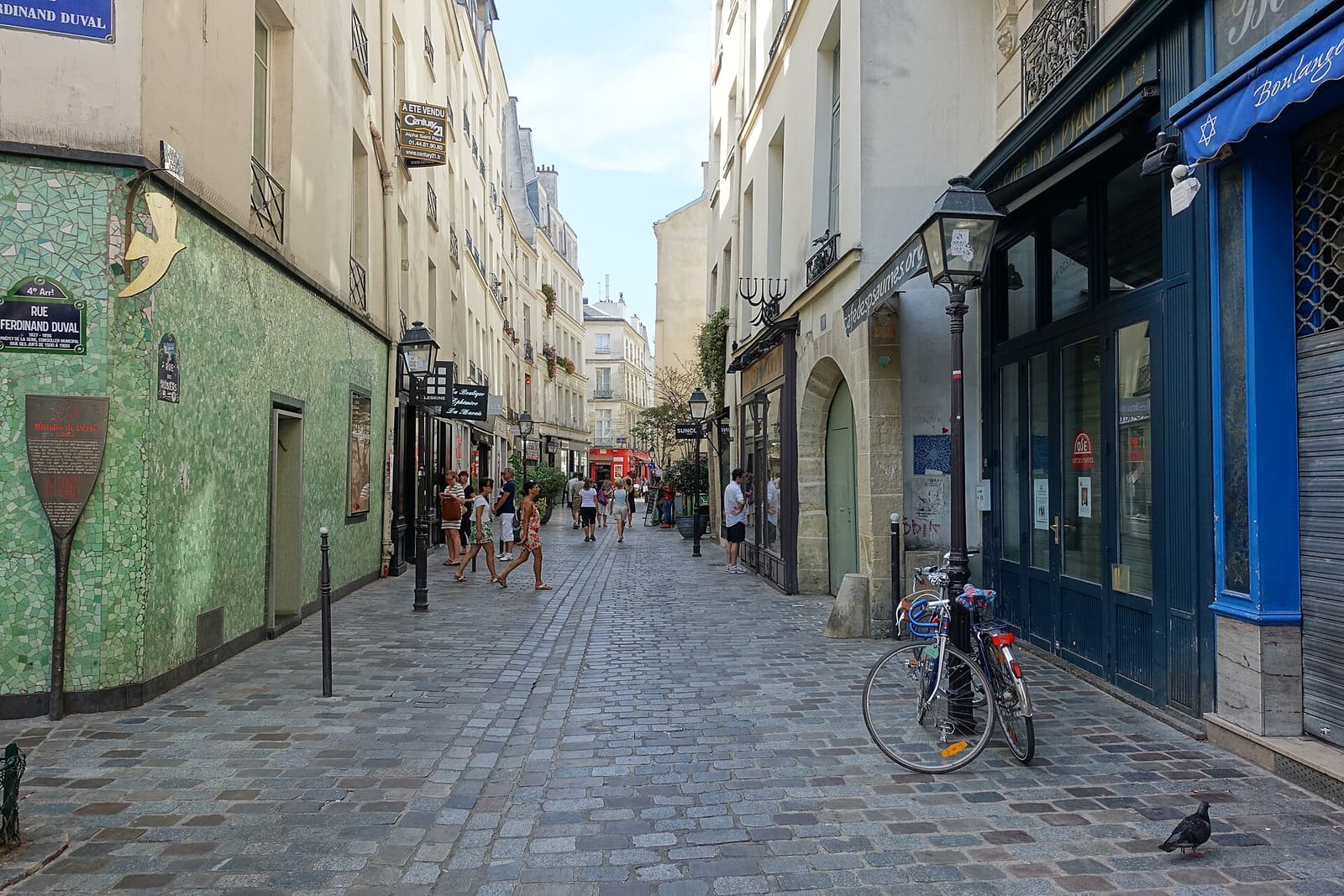
The narrow heart of the Pletzl, the historic Jewish quarter of the Marais. Queue for falafel at L’As du Fallafel, buy strudel and pastrami from Yiddish bakeries, find the Art Nouveau synagogue by Hector Guimard — and remember the community’s history at the Mémorial de la Shoah nearby.
 Around the Marais
Village Saint-Paul
Hidden courtyards of antiques and galleries
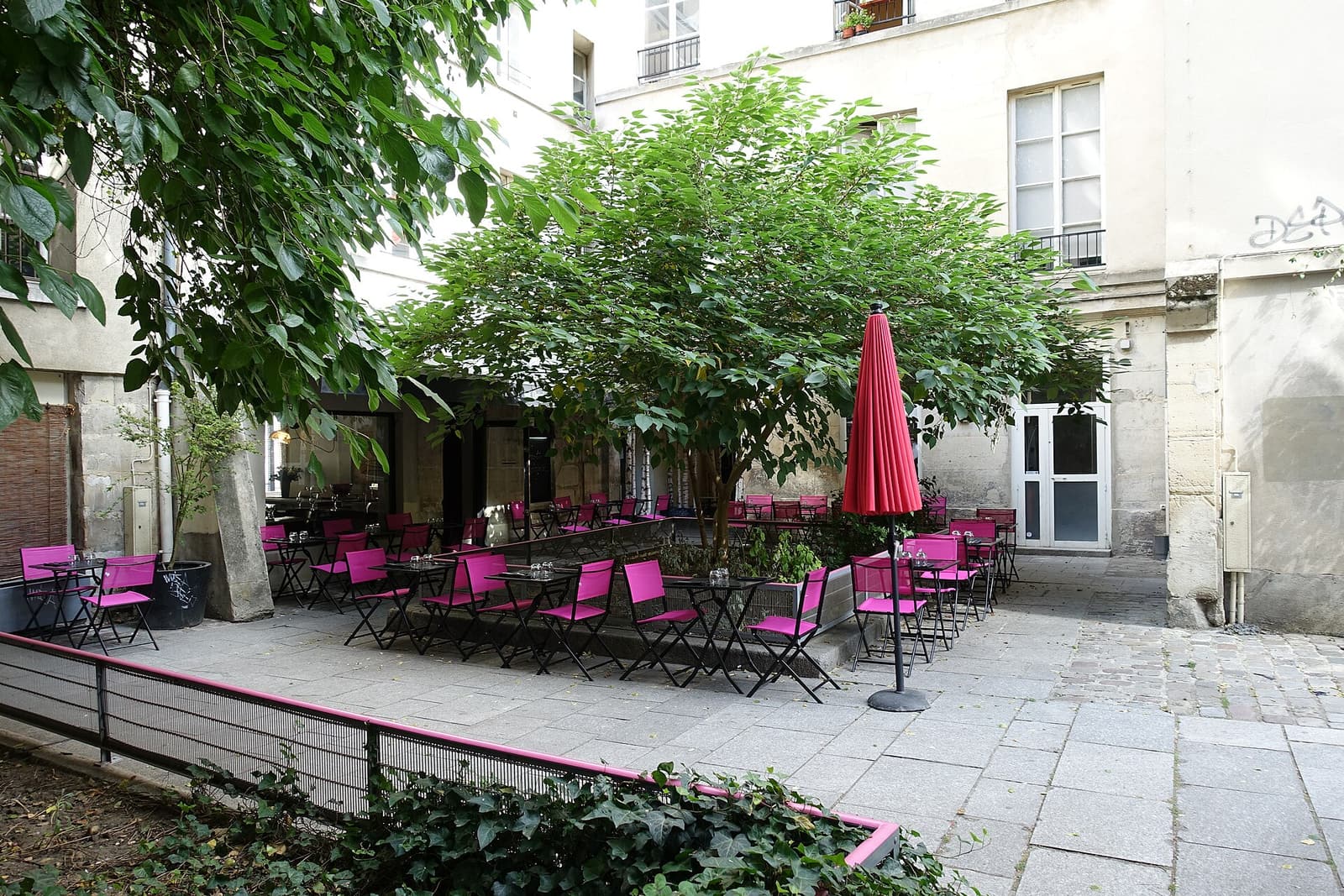
A maze of linked courtyards between Rue Saint-Paul and Rue Charlemagne, where antique dealers, galleries and design shops hide behind the street fronts. Around it: the baroque church of Saint-Paul-Saint-Louis, the best surviving stretch of Philippe Auguste’s medieval city wall and the turreted Hôtel de Sens.
 Around the Marais
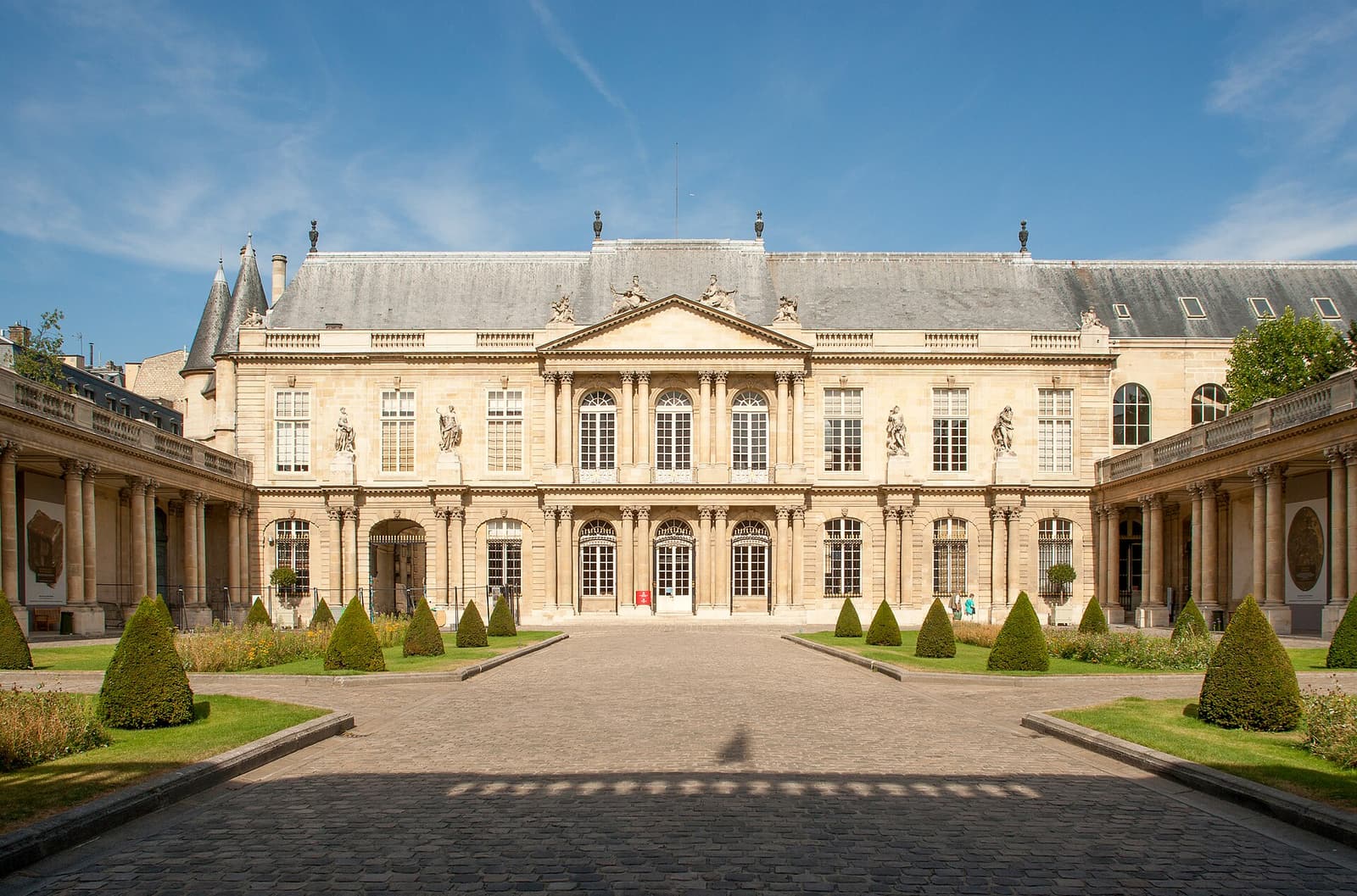
Hôtel de Soubise & the National Archives
Rococo salons and France’s memory
Behind a colonnaded courtyard on Rue des Francs-Bourgeois lies the Hôtel de Soubise, home of the French National Archives since the early 19th century. Its museum shows treasures from the archives, the gardens are a peaceful free escape, and the princely apartments are among the finest Rococo interiors in Paris.
 Around the Marais
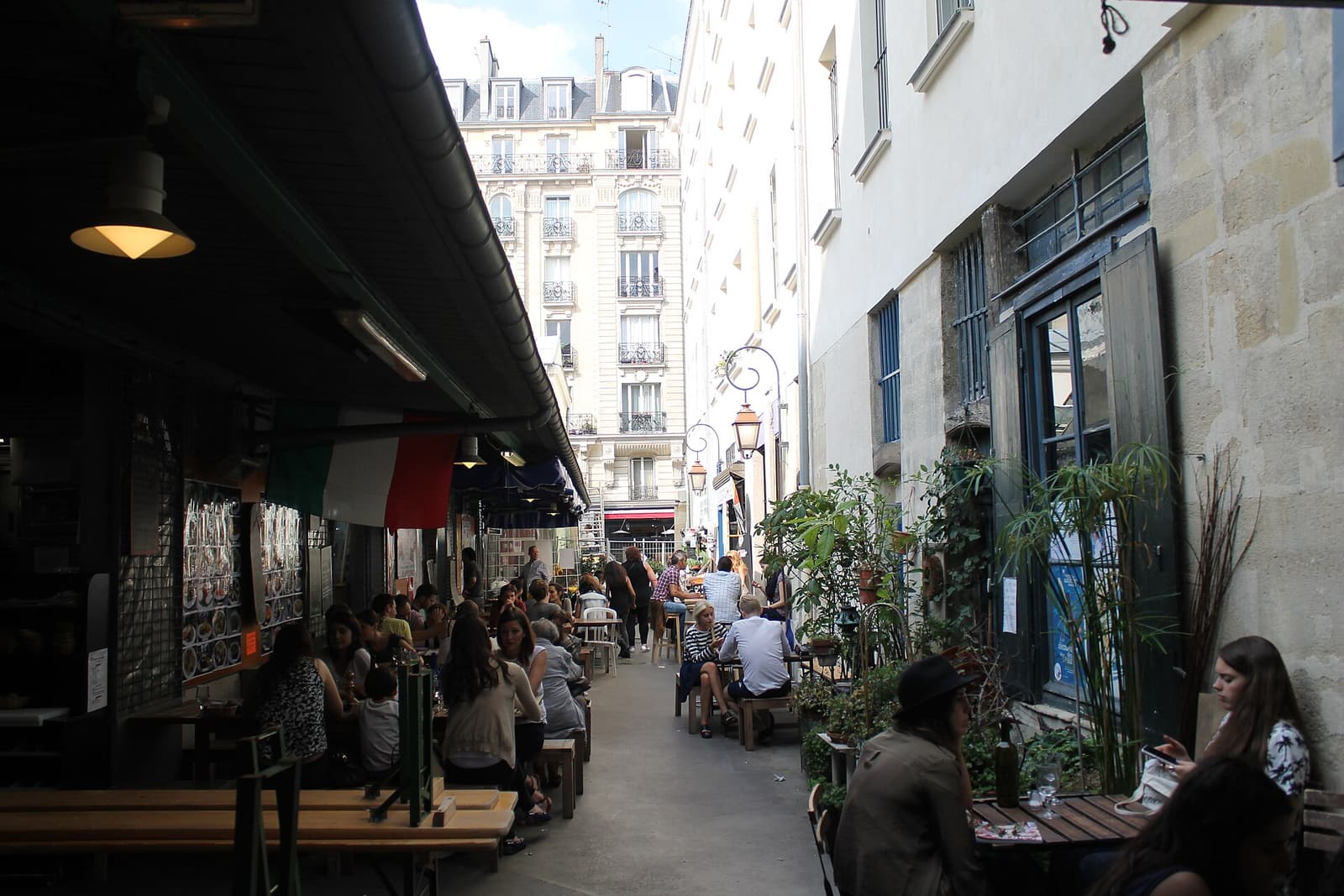
Marché des Enfants Rouges
Lunch in Paris’s oldest covered market
Founded in the early 17th century and named after an orphanage whose children were dressed in red, this small covered market on Rue de Bretagne is now the Haut-Marais’s favourite lunch spot: North African tagines, Japanese bento, Italian plates, crêpes and fresh produce around shared tables.
A short walk beyond
 A short walk beyond
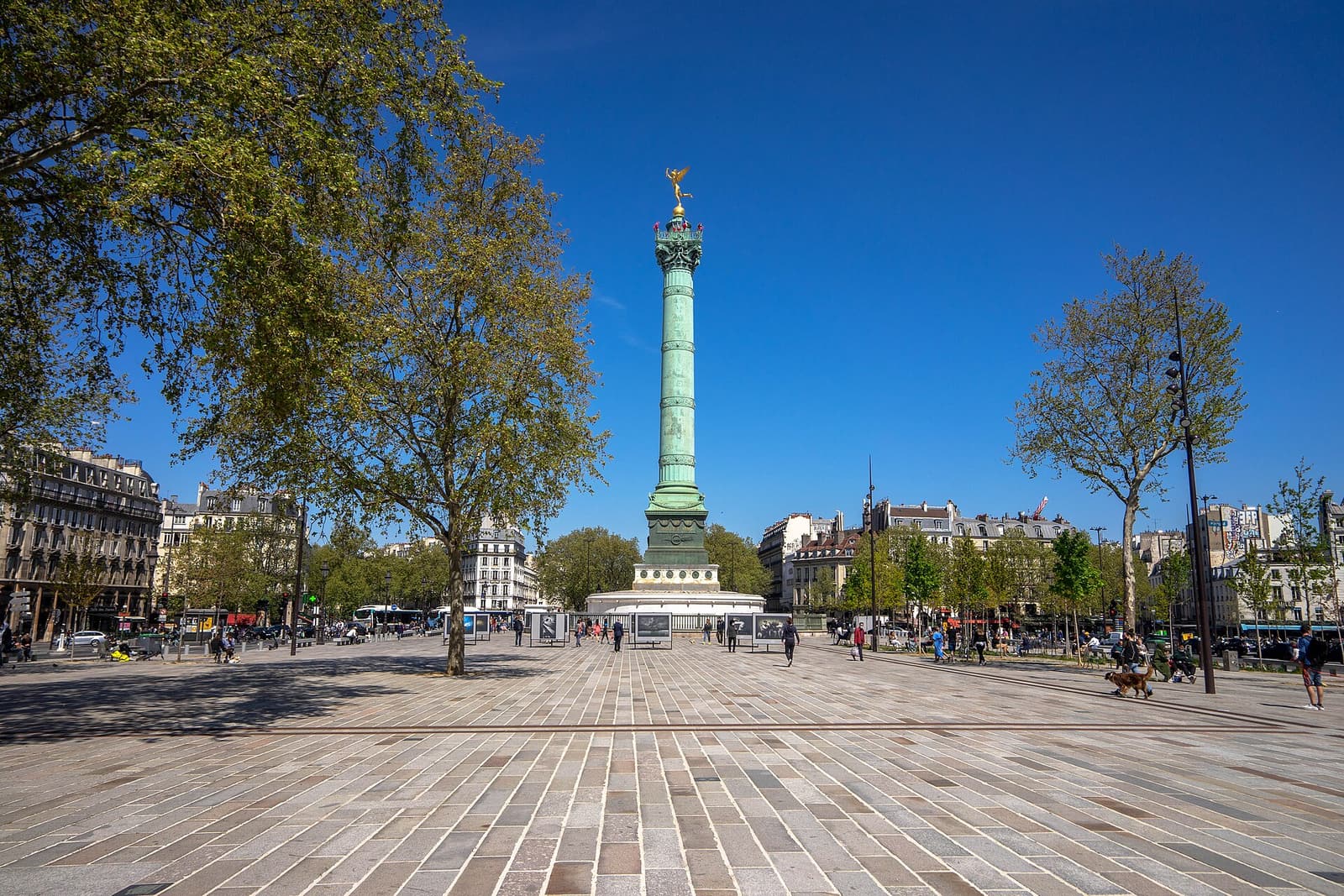
Place de la Bastille
Where the Revolution began
The fortress-prison stormed on 14 July 1789 is long gone, but the Place de la Bastille remains a symbol: the bronze July Column crowned by the gilded Spirit of Freedom, the modern Opéra Bastille, the marina of the Port de l’Arsenal and, twice a week, one of the city’s biggest open-air markets.
 A short walk beyond
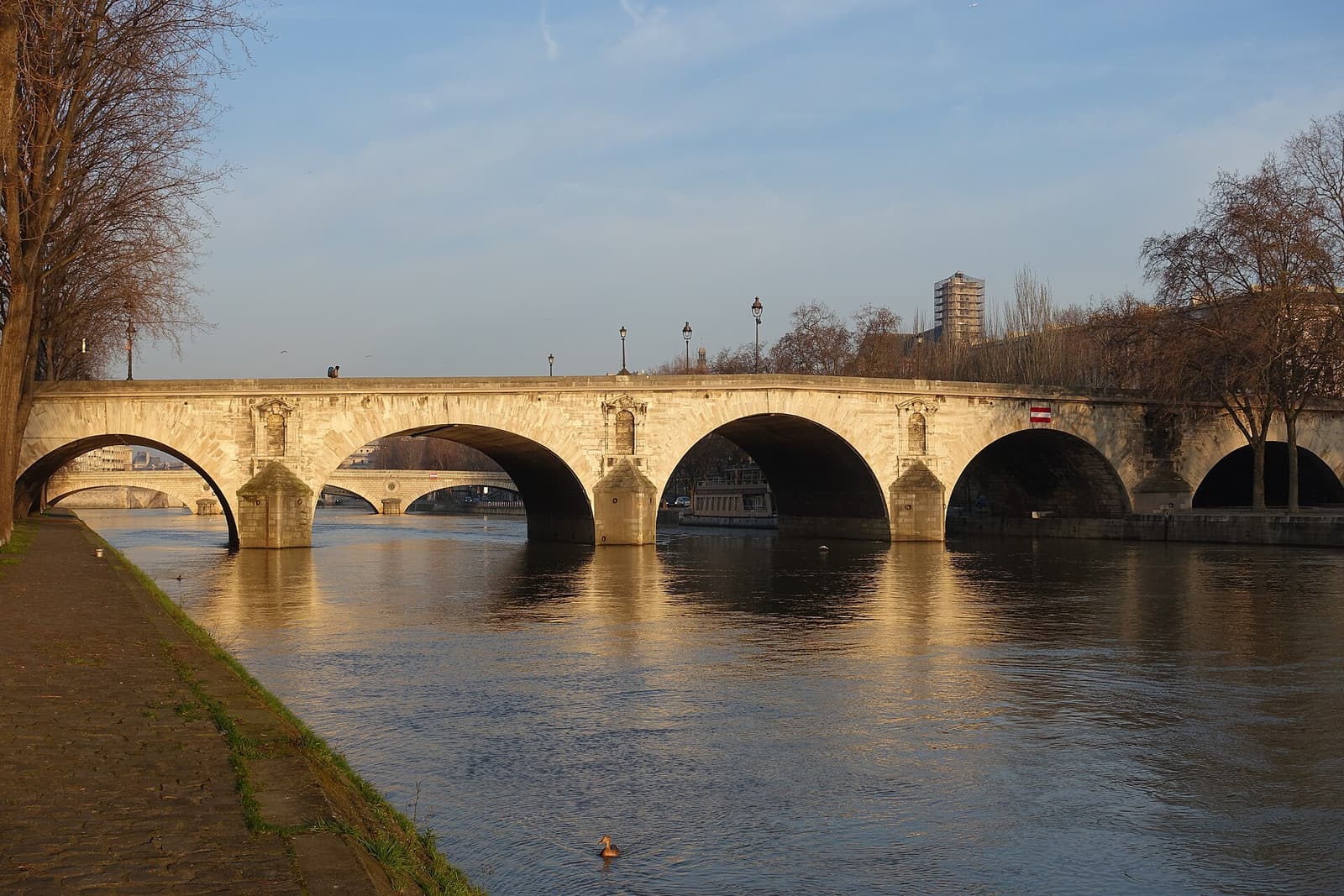
Île Saint-Louis
A 17th-century island village in the Seine
Fifteen minutes’ walk from the Place des Vosges, across the Pont Marie, lies the Île Saint-Louis: an island developed as a planned residential quarter in the same decades as the square. Quiet streets of mansions, one high street of cheese shops and ice-cream parlours, and tree-lined quays made for a sunset picnic.
 A short walk beyond
Notre-Dame de Paris
The cathedral reborn
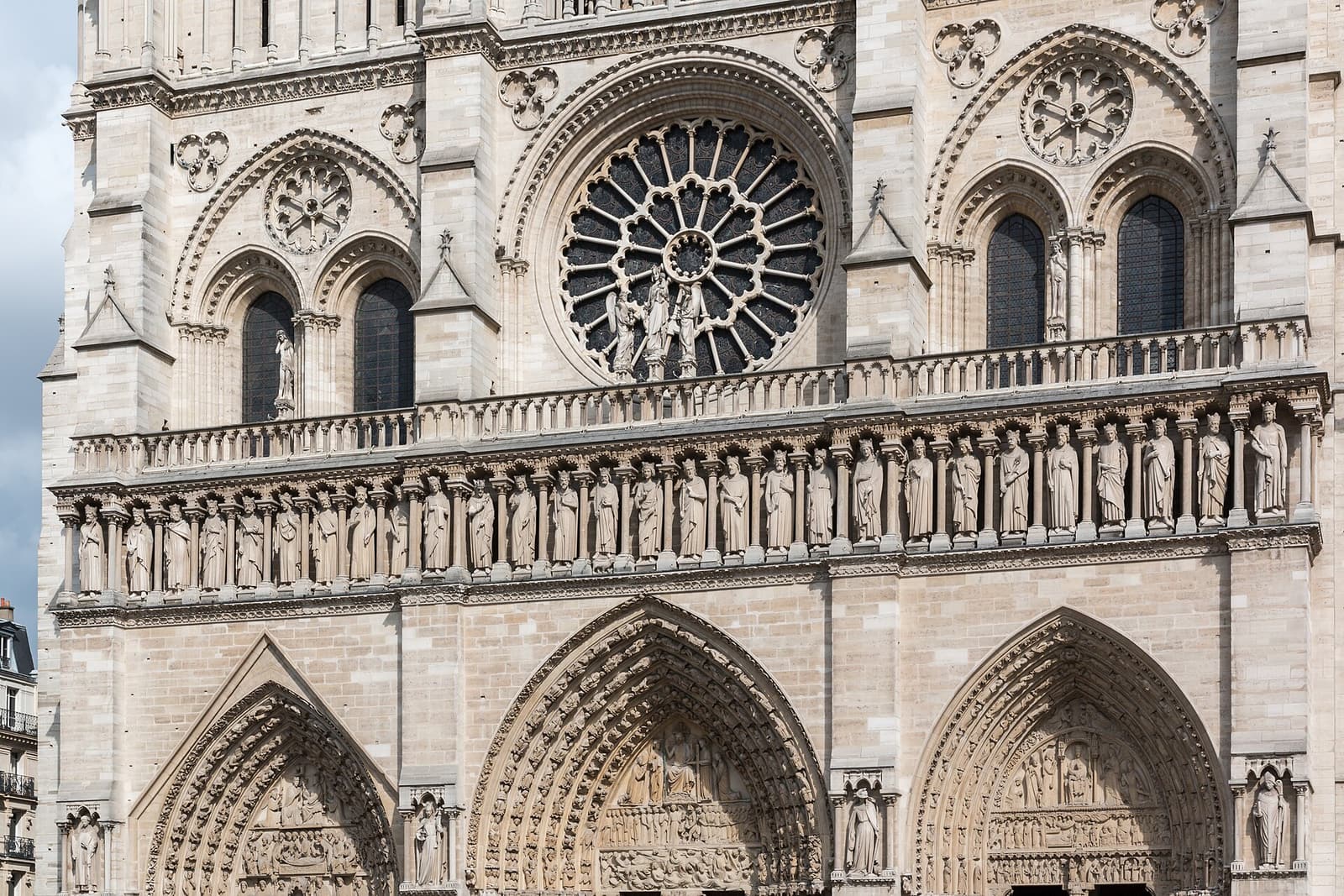
Reopened in December 2024 after the 2019 fire, Notre-Dame is brighter than it has looked for generations, with a rebuilt spire, cleaned stone and restored chapels. Entry to the cathedral is free; the towers and treasury are separate paid visits. It is about a 25-minute walk from the Place des Vosges.
A perfect Marais day: coffee under the arcades of the Place des Vosges at 9:00; the Maison de Victor Hugo when it opens; through the Hôtel de Sully garden to Rue Saint-Antoine and Village Saint-Paul; falafel on Rue des Rosiers; the Musée Carnavalet or the Musée Picasso in the afternoon; then across the Pont Marie to the Île Saint-Louis for an ice cream and sunset over Notre-Dame.
Plan your days in the Marais
Royal square by morning, falafel by lunch
The Place des Vosges is a short walk from Notre-Dame, the Seine and the Bastille. Pair the square with a guided Marais walk, a food tour, a Seine cruise or skip-the-line museum tickets — compare and book in a couple of taps.